



Electrification: The Future of the Electrical Skilled Trades
Introduction
The electrical skilled trades industry is leading the way in one of the most transformative shifts in modern infrastructure: electrification. Across the globe, governments, industries, and homeowners are moving away from fossil fuel-based systems toward technologies powered entirely by electricity. This transition isn’t just about changing energy sources - it’s about building smarter, more efficient, and more sustainable systems that can meet future demands. For electricians, electrification brings unprecedented opportunity, requiring a blend of traditional electrical expertise and new skills in renewable energy, EV infrastructure, and smart technology. As this movement accelerates, the tools and techniques used by professional electricians must evolve alongside it.
What Is Electrification?
Electrification is the process of replacing systems and devices that run on fossil fuels, such as natural gas, diesel, or oil, with systems powered by electricity. This includes heat pumps, electric water heaters, EV charging stations, and even induction cooktops. By shifting these systems to the electric grid (especially when powered by renewable energy sources), the goal is to dramatically reduce greenhouse gas emissions and improve energy efficiency. For electricians, this means new opportunities in panel upgrades, smart control installations, and integrating advanced wiring solutions into both residential and commercial projects. In short, electrification is reshaping the landscape of electrical work.
Why Electrification Is Important
Electrification plays a central role in global decarbonization strategies aimed at reducing CO₂ emissions and combating climate change. By replacing fossil fuel systems with electric alternatives powered by solar, wind, and other clean energy sources, the carbon footprint of homes, businesses, and infrastructure can be significantly reduced. Electric systems are often more efficient - heat pumps, for example, can deliver more heating or cooling output than the electricity they consume. Additionally, electrified systems make infrastructure more resilient, as they can integrate with battery storage and microgrids to maintain power during outages. For electricians, the growing push for electrification not only ensures strong demand for their services but also solidifies their role as essential partners in building a sustainable energy future.
Example: Impact on the Tool Industry and Skilled Trades
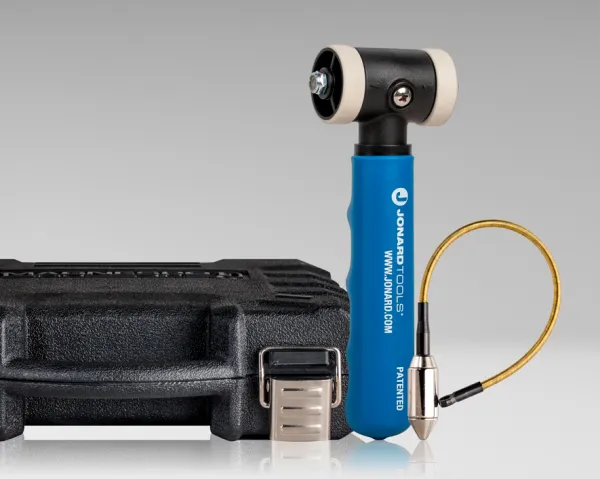
The electrification movement is changing the kinds of projects electricians tackle and the tools they rely on every day. For example, the surge in electric vehicle charger installations has created a need for specialized diagnostic equipment, insulated hand tools, and torque-specific drivers. Retrofitting buildings with all-electric systems often requires electrical panel upgrades, advanced load management devices, and thermal imaging tools to identify potential overloads before they become hazards. Jonard Tools offers a comprehensive range of products designed for these electrification projects. For high-voltage and EV-related work, the INS-530 Insulated Nut Driver Set ensures maximum safety and precision. The TK-17 Punchdown & Termination Kit is ideal for installing smart panels and low-voltage control systems, while the TETP-800 Tone & Probe Kit simplifies network cable tracing in smart building integrations. For preventive maintenance and troubleshooting, the CF-1000 Thermal Imager provides instant visual diagnostics to detect overheating circuits or poor connections. These tools are built to help electricians work more efficiently, meet industry safety standards, and keep pace with the growing demands of the electrification era.
Conclusion
Electrification is more than just an energy trend - it’s a long-term shift that will define how we build, power, and maintain infrastructure for decades. For the electrical skilled trades, it represents a unique blend of job security, technical innovation, and environmental impact. From installing solar-ready panels and EV charging stations to wiring energy-efficient smart homes, electricians are at the center of this transformation. As technology advances, the tools for electricians will continue to evolve, making ongoing training and adaptation essential. Those who embrace electrification now will not only thrive in a growing market but also contribute directly to building a cleaner, more sustainable future.
Comments
Login or Register to post comments.