Smart Tools, AI, and Automation in the Skilled Trades
Introduction
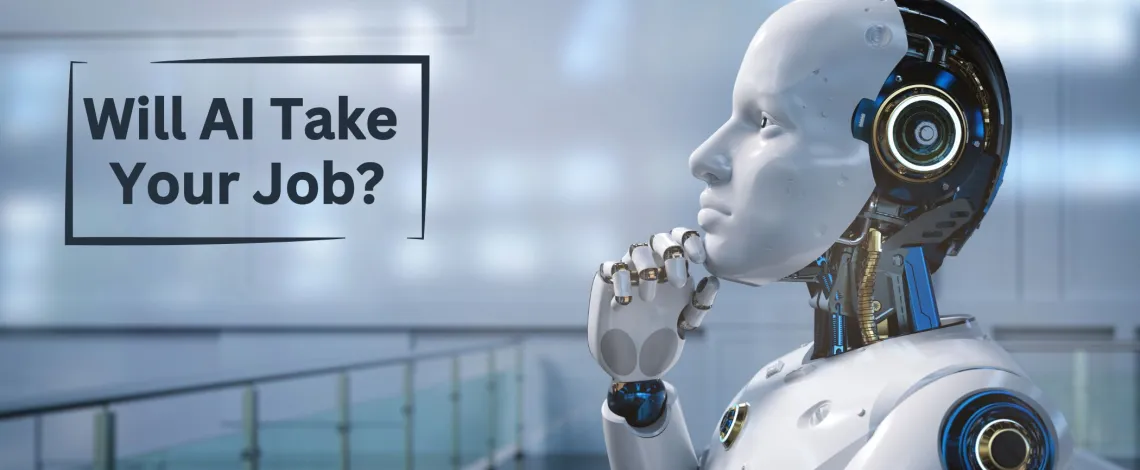
As smart technology and AI continue to evolve, one question looms large over the skilled trades -will AI replace us? From autonomous welding arms and smart diagnostic tools to AI-assisted design and predictive maintenance, the trades are no longer untouched by digital transformation. However, instead of being a threat, this tech revolution might be the biggest opportunity the trades have seen in decades.
In this blog, let's explore how automation and AI are entering the skilled trades, what it means for job security, and how workers can stay ahead through upskilling.
The Rise of Smart Tools and Automation in the Trades
Walk onto a modern jobsite today, and you’re likely to see more than just hammers and drills. Tools now come equipped with sensors, Bluetooth connectivity, and smart diagnostics. Welders use robotic arms for high-precision jobs. Electricians and HVAC techs are relying on apps and cloud-based systems to troubleshoot complex systems. Even construction sites are seeing drones, 3D scanners, and AI-driven scheduling tools.
What used to be manually intensive tasks are now being supported—or partially replaced—by tech that boosts speed, safety, and accuracy. But here’s the important part: the human touch is still critical.
Will AI Take Over the Trades? Not Quite.
While automation is reshaping how trade professionals work, it’s not eliminating the need for them. Installing a heat pump, pulling fiber through conduit, or diagnosing a tricky electrical fault still requires human intuition, adaptability, and hands-on skill—something robots can’t replicate easily.
In reality, automation is augmenting the work, not replacing it. Tasks that are repetitive, dangerous, or highly standardized are being automated to free up time for technicians to focus on the more technical, creative, and customer-facing parts of the job.
For example:
- A plumber might use a camera and AI-powered software to diagnose a pipe issue in minutes.
- A solar installer might use a drone to survey rooftops for layout planning.
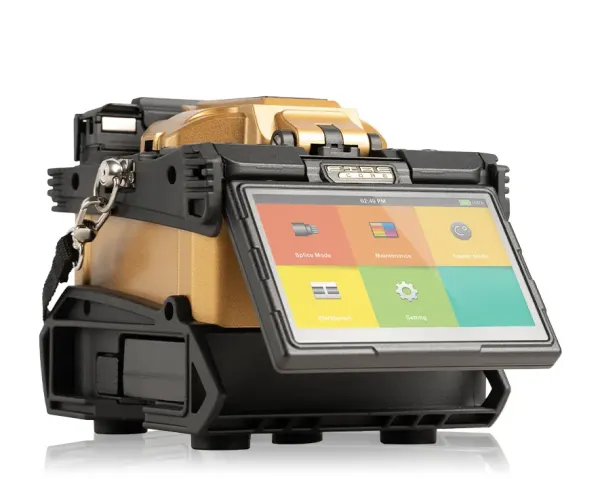
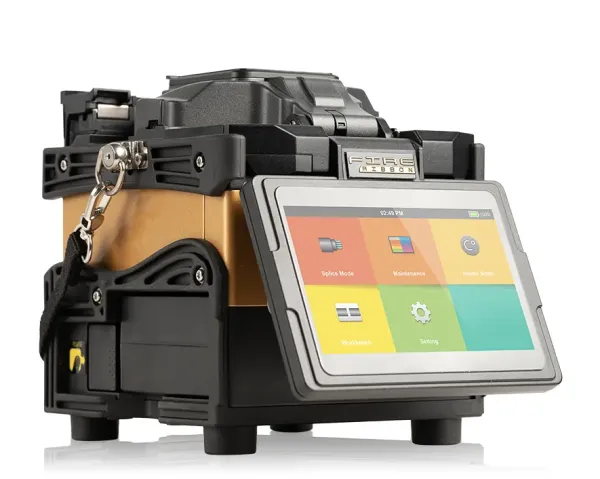
- A fiber optic technician might use a fusion splicer that auto-aligns cores and estimates splice loss.
The trades are becoming more technical, not less relevant.
Upskilling: The Key to Staying Ahead
As tools become smarter, workers must become smarter too. That means upskilling—learning to work with the new technology rather than being displaced by it.
Whether it’s understanding how to operate a robotic welding system, use a thermal imaging camera, or interpret data from a smart multimeter, the ability to adapt is what will separate stagnant careers from those that thrive.
Trade schools and employers are already responding by offering courses in digital tools, automation systems, and even basic coding for maintenance and diagnostics. In many cases, workers who embrace tech become more valuable, not less.
What This Means for the Future of Trade Careers
Far from eliminating jobs, AI and automation are creating new roles in the trades. Think:
- Automation Specialist
- Robotic Equipment Technician
- Smart Home Installer
- IoT System Integrator
These roles build on traditional trade skills, adding a digital layer that’s in high demand.
Additionally, the younger generation—raised on tech—is finding the new face of skilled trades more appealing. It's no longer just about brawn; it’s about brains, tools, and tech working together.
Conclusion: The Trades Are Changing, Not Going Anywhere
So, will AI take trade jobs? No—but they will definitely change them. The integration of smart tools, AI, and automation is accelerating across every industry, and the trades are no exception. For those willing to evolve and upskill, this is an opportunity to future-proof their career and stand out in a growing market.
The trades aren’t being replaced—they’re being redefined. And the future looks smarter, safer, and full of potential.
Comments
Login or Register to post comments.