Outside Plant (OSP) Tools: The Backbone of Modern Networks
In today’s hyper-connected world, reliable communication networks are essential. Behind every fast internet connection, seamless video call, and smart city system lies a robust outside plant (OSP) infrastructure, which is the physical network built and maintained outside of buildings.
From fiber optic deployments to copper and coaxial systems, outside plant technicians play a critical role in constructing and maintaining these networks. To do that job effectively, they rely on durable, precise, and ergonomic tools designed specifically for the demands of fieldwork. Luckily, Jonard offers a multitude of products for Outside Plant Technicians that can make their jobs faster, easier, and less prone to error.
What Is Outside Plant (OSP)?
Outside plant refers to all telecommunications infrastructure located outside of buildings. This includes aerial and underground fiber optic cables, copper telecom lines, and coaxial cable systems used for broadband and CATV, along with the supporting components that house and protect these connections, such as pedestals, cabinets, and splice enclosures.
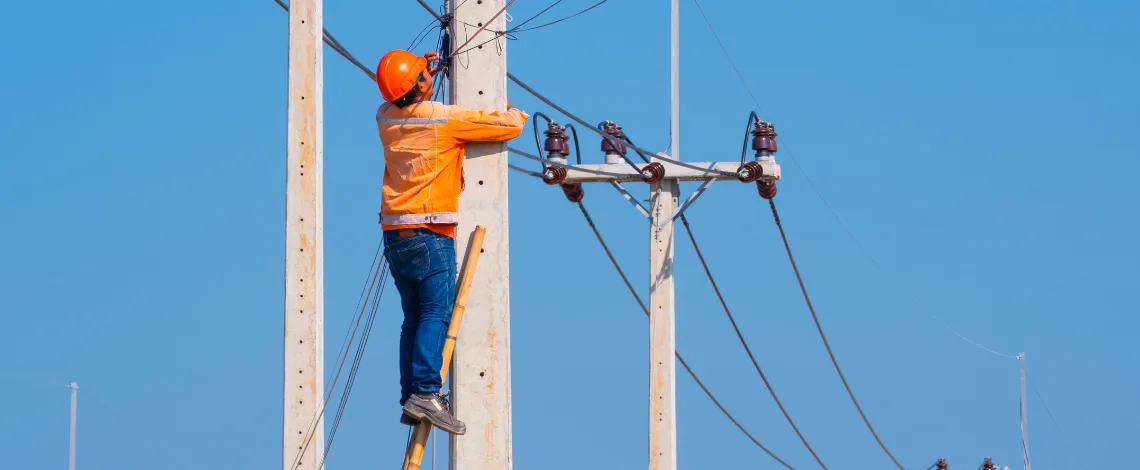
Unlike inside plant environments, which are typically controlled and predictable, OSP work takes place in the field. Technicians are often working at height on utility poles, in confined underground spaces, or in harsh weather conditions. Because of this, the tools used must be able to withstand tough environments while still delivering consistent, high-quality results.
The Role of OSP Technicians
Outside plant technicians are responsible for building and maintaining the infrastructure that keeps networks running. Their work spans the full lifecycle of network deployment, from initial installation to ongoing maintenance and repair.
This includes installing and routing cables over long distances, accessing mid-span sections of fiber for splicing, preparing and terminating cables with precision, and troubleshooting issues that can impact service across entire communities. The work is both physically demanding and technically exacting. A small mistake, such as an improper cut or poorly terminated connection, can lead to signal loss, service disruptions, and costly rework.
Because of this, efficiency, accuracy, and reliability are critical. The tools technicians use must support repeatable, precise work while also reducing fatigue during long days in the field.
Essential Tools for Outside Plant Work
Outside plant work requires a wide range of specialized tools, each designed to support different types of network infrastructure. Below are some of the most essential tools for OPS Technicians.
Fiber Optic Tools
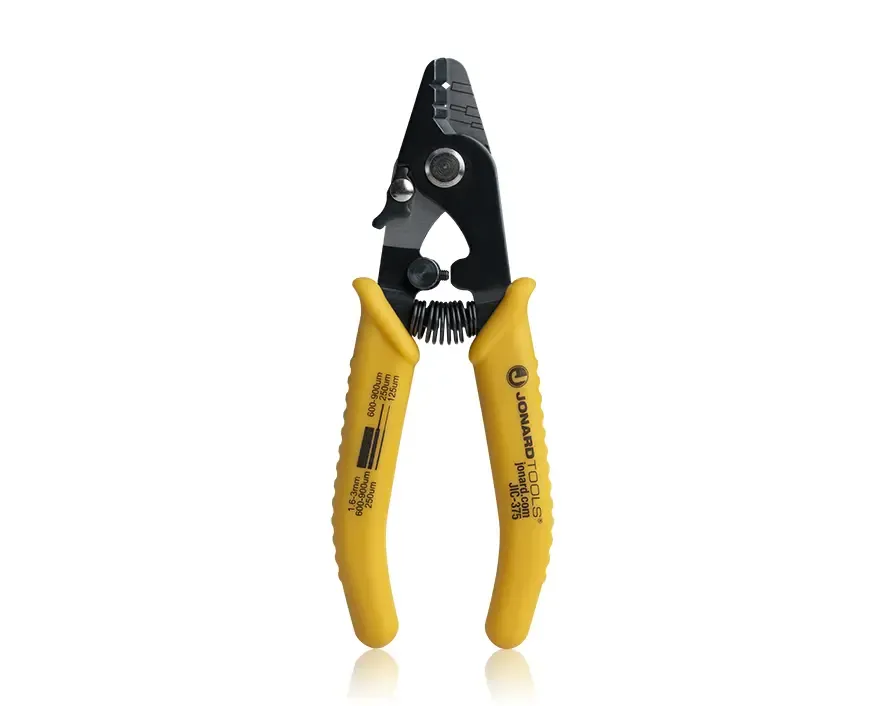
As fiber optic networks continue to expand, precision becomes increasingly important. Fiber is extremely sensitive, so technicians rely on specialized tools designed to handle delicate materials without compromising signal integrity. One of the most essential tools in this category is the fiber optic stripper, such as our JIC-375, which removes buffer coatings and jackets without nicking or damaging the glass fiber underneath.
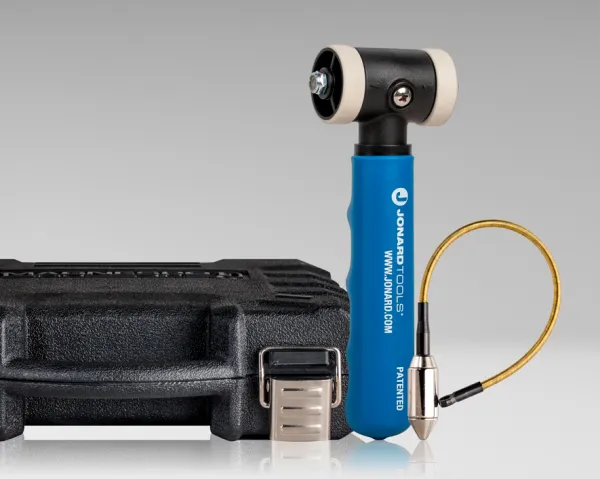
Once the fiber is exposed, technicians use precision fiber cleavers like our FC-220 to create a perfectly flat end face. The quality of this cleave directly impacts splice performance and signal loss, making it one of the most critical steps in the process. To access fibers within a cable, technicians also depend on mid-span access tools, which allow them to open the cable jacket at specific points while leaving surrounding fibers intact. Our patented MS tools are perfect for technicians who want to slit and ring cables with optimal precision.
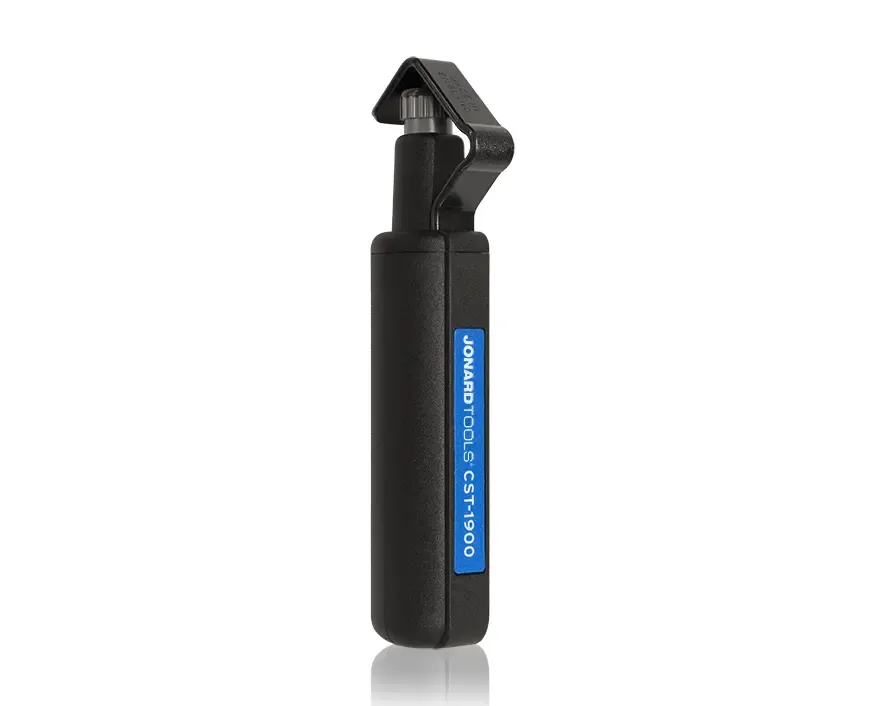
Additional tools such as fiber cable slitters, drop cable strippers, and buffer tube cutters are commonly used to prepare cables for termination or splicing. However, one of the most critical, and often overlooked, steps in fiber work is proper cleaning. Technicians regularly clean fiber end faces, connectors, and adapters using fiber inspection scopes and specialized cleaning tools to remove dust, oils, and other contaminants that are invisible to the naked eye. Even the smallest particle can cause significant signal loss, reflection, or long-term network reliability issues, making cleaning is a critical step before every connection and splice. As a result, we offer all-in-one solution kits, such as our TK-287, to ensure our technicians have the materials they need for be successful.
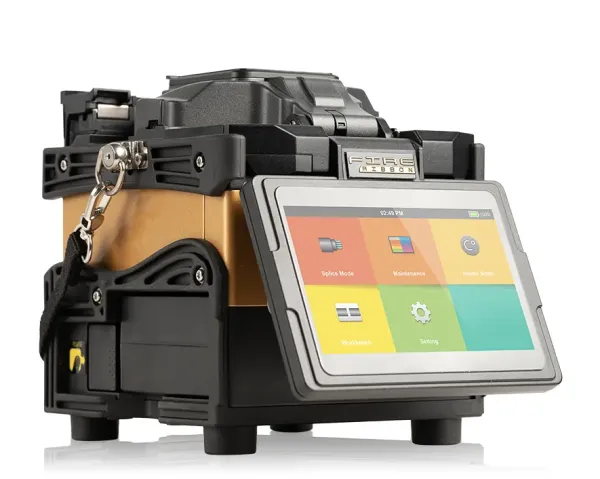
Altogether, these tools must deliver consistent, repeatable precision in environments where conditions are far from controlled. At Jonard, we offer an all-in-one kit, the TK-196B, that contains the essential fiber tools needed for outside plant.
Copper Telecom Tools
Although fiber is rapidly growing, copper infrastructure remains widely used and continues to require maintenance and upgrades. Working with copper cables involves a different set of challenges, particularly when dealing with varying conductor sizes and insulation types.
Technicians rely heavily on wire strippers like our WSS-612 that can accurately remove insulation without damaging the conductor, as well as cable cutters for clean, efficient cuts. For terminating connections, crimping tools like our UC-4511 are essential, ensuring that connectors are securely attached and capable of maintaining reliable electrical contact over time.
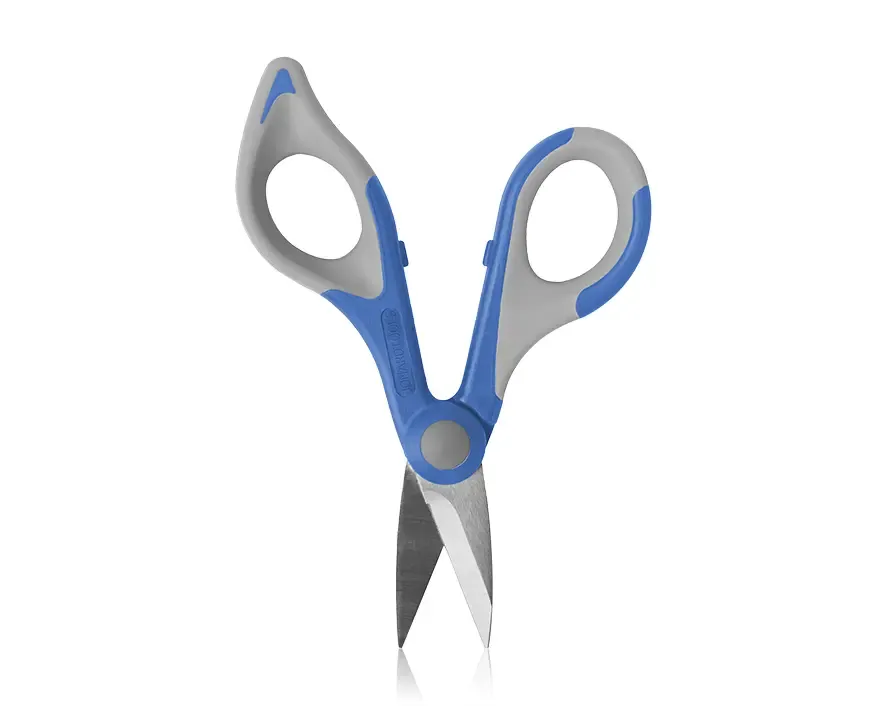
In splicing and repair scenarios, tools such as punchdown tools, electrician’s scissors, and modular plug crimpers are frequently used, depending on the application. Because much of copper work involves existing infrastructure, technicians need tools that are both versatile and durable, allowing them to adapt to different cable types and conditions while maintaining consistent performance.
Coaxial (CATV) Tools
Coaxial cable continues to play a major role in broadband and cable television networks, and proper cable preparation is critical to maintaining signal quality. Coax requires precise removal of multiple layers, including the outer jacket, shielding, and dielectric, without damaging the inner conductor.
To achieve this, technicians use coax cable strippers that are specifically designed to expose each layer to the correct dimensions. Tools like our UST-500 make this termination quick and easy. Once prepared, compression tools like our CT-200 are used to attach connectors securely, ensuring a tight, weather-resistant fit that minimizes signal loss and prevents ingress.
Additional tools such as coax cable cutters and cable prep tools help maintain consistency across installations, which is especially important in large-scale deployments. Because even small inconsistencies can lead to performance issues, coaxial tools must be highly reliable and easy to use in the field.
Why Tool Quality Matters in OSP Environments
Outside plant work is inherently demanding. Technicians operate in environments where weather, terrain, and time constraints all add complexity to the job. In these conditions, tool performance is not just about convenience, it directly impacts the quality of the installation and the efficiency of the work.
Poorly designed or unreliable tools can lead to damaged cables, inconsistent terminations, and increased installation time. They can also contribute to worker fatigue or injury, especially when used repeatedly over long periods. On the other hand, well-designed tools provide consistent results, improve workflow efficiency, and help technicians complete their work safely and accurately.
Supporting the Future of Network Infrastructure
As demand for faster and more reliable connectivity continues to grow, driven by fiber expansion, 5G deployment, and evolving technologies, the importance of outside plant infrastructure will only increase. The technicians building and maintaining these networks are essential to that progress, and the tools they use play a key role in their success.
Equipping outside plant professionals with high-quality, reliable tools ensures that networks are built to last. From precision fiber work to rugged cable installation, the right tools help technicians meet the demands of today’s infrastructure while preparing for the networks of tomorrow.
Comments
Login or Register to post comments.