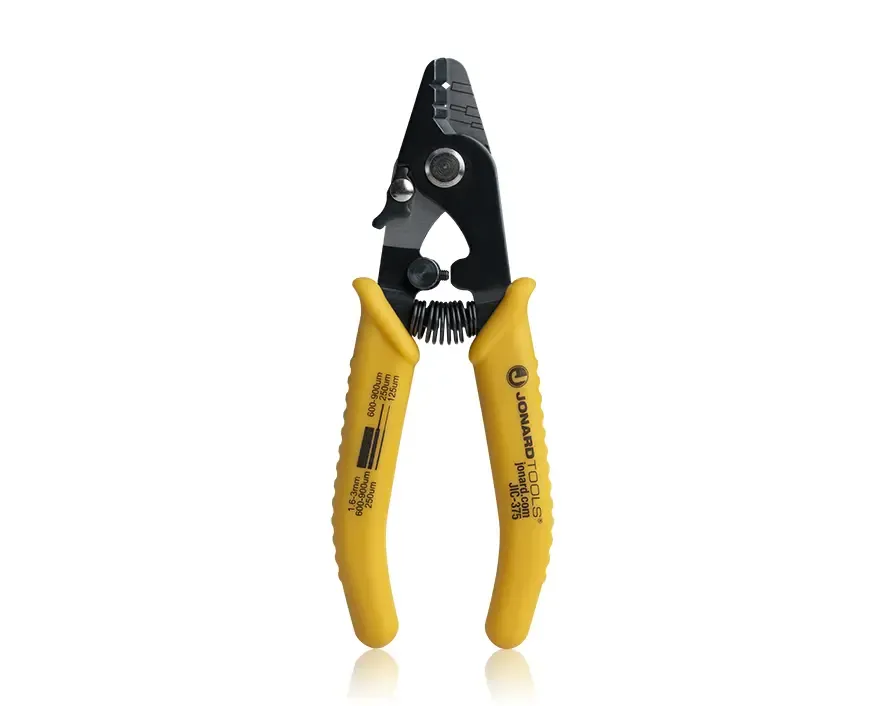
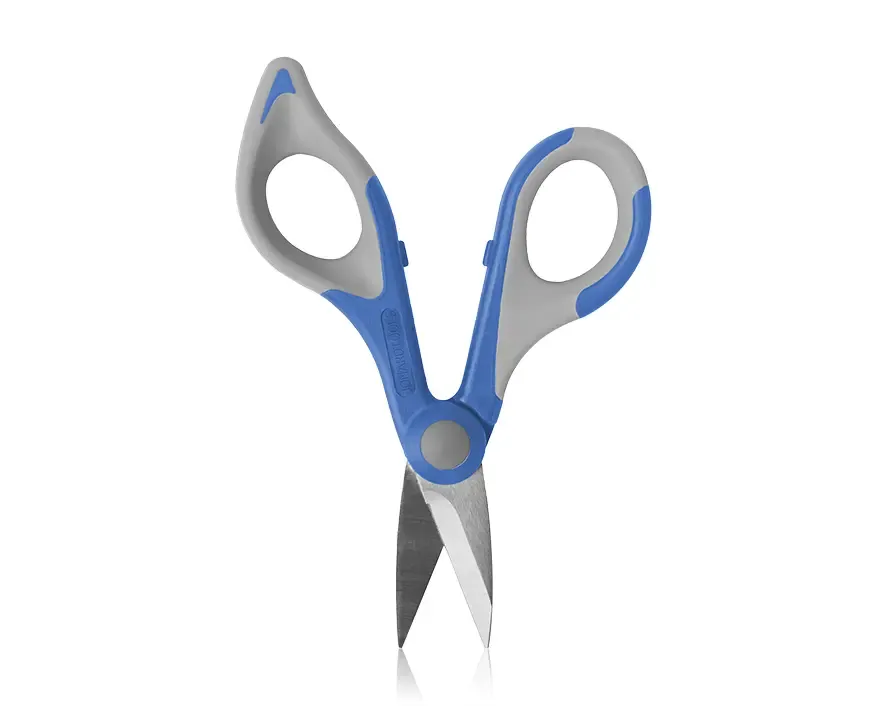
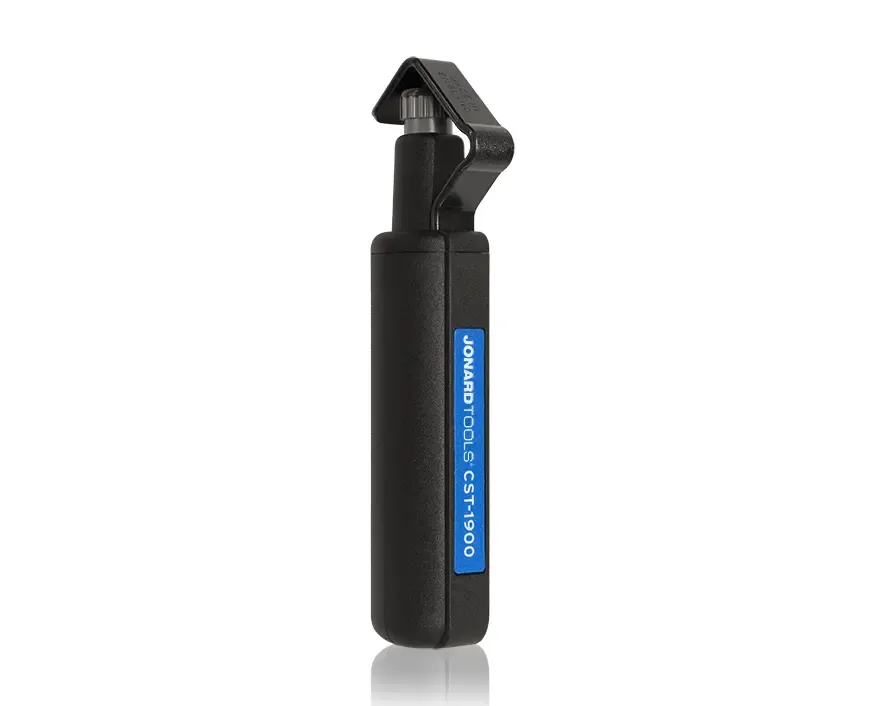
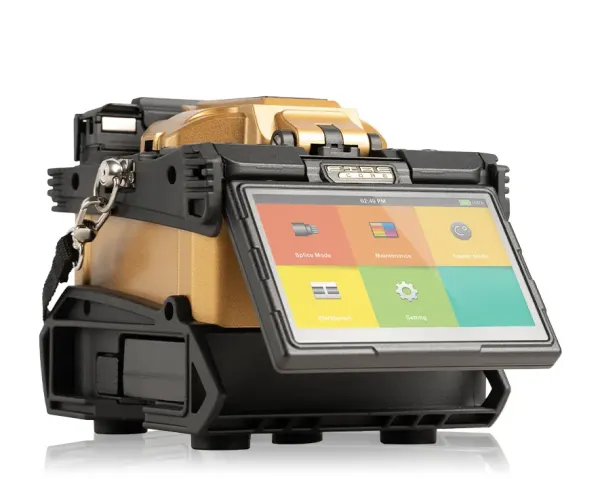
Ergonomic Hand Tools: Why They're Important
In the trades, your hands are your livelihood. Whether you’re stripping fiber, crimping connectors, or cutting cable, the tools you use every day directly impact your comfort, efficiency, and long-term health. Unfortunately, however, this is often overlooked when choosing hand tools, until pain or injury forces a change.
At Jonard, ergonomics isn’t an afterthought. It’s a core part of how tools are designed, tested, and refined. Here’s why ergonomic hand tools matter, and how the right design can protect technicians while improving performance on the job.
What Does “Ergonomic” Really Mean?
Ergonomics refers to designing tools that work with the human body rather than against it. An ergonomic hand tool is engineered to reduce strain, minimize awkward movements, and distribute force more evenly across the hand and wrist.
Poorly designed tools can require excessive grip force, force the wrist into unnatural angles, or concentrate pressure on sensitive areas of the palm. Over time, these issues can contribute to fatigue, reduced productivity, and even serious injuries.
The Real Risks of Poor Tool Design
Technicians often perform repetitive motions for hours at a time. When tools aren’t ergonomically designed, the risk of injury increases significantly.
Common issues caused by non-ergonomic hand tools include:
-
Hand and wrist fatigue
-
Tendonitis and repetitive strain injuries
-
Carpal tunnel syndrome
-
Reduced grip strength and dexterity
-
Decreased accuracy and efficiency
These injuries don’t just affect individual workers, they can lead to downtime, higher medical costs, and lower overall productivity for employers.
How Ergonomic Tools Improve Performance
Ergonomic hand tools don’t just protect the user, they help technicians work better and faster.
Less Fatigue, More Productivity
Tools that require less grip force and allow for natural hand positioning reduce muscle fatigue. That means technicians can work longer with greater consistency and fewer mistakes.
Improved Precision
When hands aren’t strained, control improves. This is especially important for precision tasks like fiber preparation, termination, and delicate electronic work.
Better Long-Term Health
Using ergonomic tools daily helps reduce cumulative stress on the body, lowering the risk of chronic injuries that can shorten careers in the trades.
How Jonard Tools Designs with Ergonomics in Mind
At Jonard Tools, ergonomic design is built into every stage of development. Our engineers work to ensure tools meet the real-world demands of professionals across fiber optics, telecom, CATV, wireless, and electronics industries.
Key ergonomic features found in many Jonard tools include:
-
Comfort-molded handles that reduce pressure on the palm
-
Non-slip grips for better control and safety
-
Balanced weight distribution to minimize hand fatigue
-
Handle shapes designed to maintain natural wrist alignment
These design choices help reduce strain while maintaining the durability and performance Jonard is known for.
Ergonomics and Safety Go Hand in Hand
Improper tool selection is a leading cause of work-related injuries. Ergonomic tools play a critical role in workplace safety by reducing the physical stress placed on the body during repetitive tasks.
For safety managers and employers, investing in ergonomic hand tools can help:
-
Reduce injury claims
-
Improve worker satisfaction
-
Increase efficiency and job quality
For technicians, it means greater comfort, confidence, and longevity in their careers.
The Bottom Line
Ergonomic hand tools are not a luxury, but instead they’re a necessity for anyone who relies on their hands to get the job done. The right tool design can reduce fatigue, prevent injuries, and improve overall job performance.
At Jonard Tools, we believe that when tools are designed around the user, everyone wins, from technicians in the field to the companies that support them.
Comments
Login or Register to post comments.