Core Alignment Fusion Splicer - A Closer Look
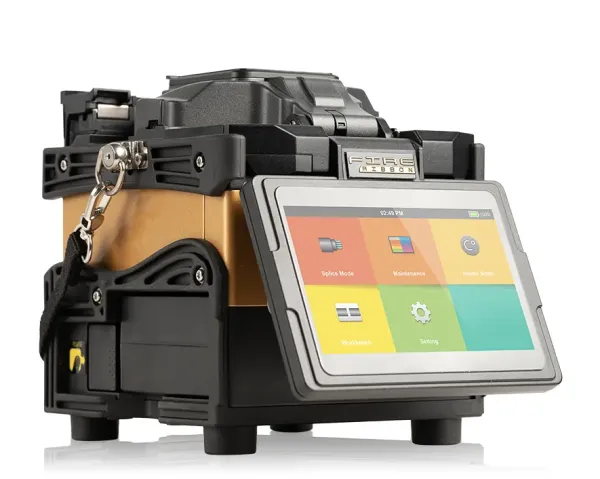
In a previous blog, we discussed Fusion Splicers, breaking down the different types as well as their use cases. In this blog, we're going to take a closer look at the Core Alignment Fusion Splicer, the most accurate and advanced splicer in the industry. We'll dive into the specifics of how it works, where it's used, and why it's the preferred tool for high-performance fiber connections.
Understanding the Anatomy of a Fiber Optic Cable
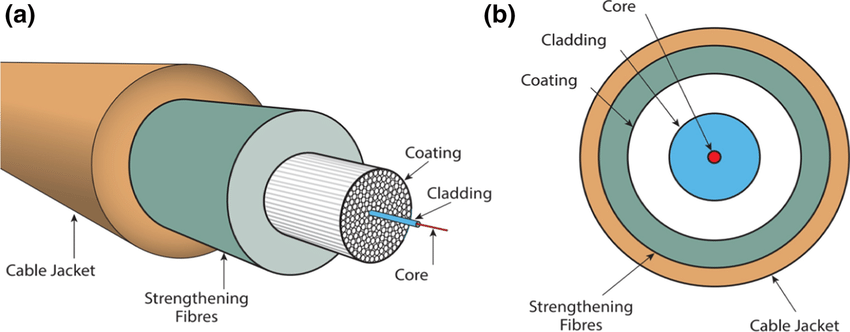
To understand why core alignment matters, we first need to look at what’s being aligned: the optical fiber itself. A standard single-mode or multi-mode fiber optic cable is composed of several concentric layers, each serving a specific purpose:
1. Core
This is the innermost part of the fiber, typically made of ultrapure glass. It’s where light signals travel. Single-mode cores are about 8–10 microns in diameter, while multi-mode cores can be 50 or 62.5 microns. Precise alignment of these cores is crucial for optimal light transmission.
2. Cladding
Surrounding the core is a layer of glass with a slightly lower refractive index. It keeps light confined in the core by reflecting it inward through total internal reflection (for a closer look at the mechanisms involved in fiber optics, take a look at our blog!). The cladding is usually 125 microns in diameter and is uniform across most fiber types.
3. Coating
This is a protective polymer layer that cushions the fiber and protects it from mechanical damage. Typically it is stripped away during preparation for fusion splicing.
4. Buffer and Jacket
Beyond the coating are the buffer and the outer jacket, which provide additional protection and structure for the fiber. These layers are not involved in the splicing process,
Understanding this layered structure is key because fusion splicing doesn’t just involve aligning the glass ends, it’s about aligning the tiny central core of one fiber to the core of another with microscopic precision. Even a fraction of a micron off can lead to signal loss.
What Is a Core Alignment Fusion Splicer?
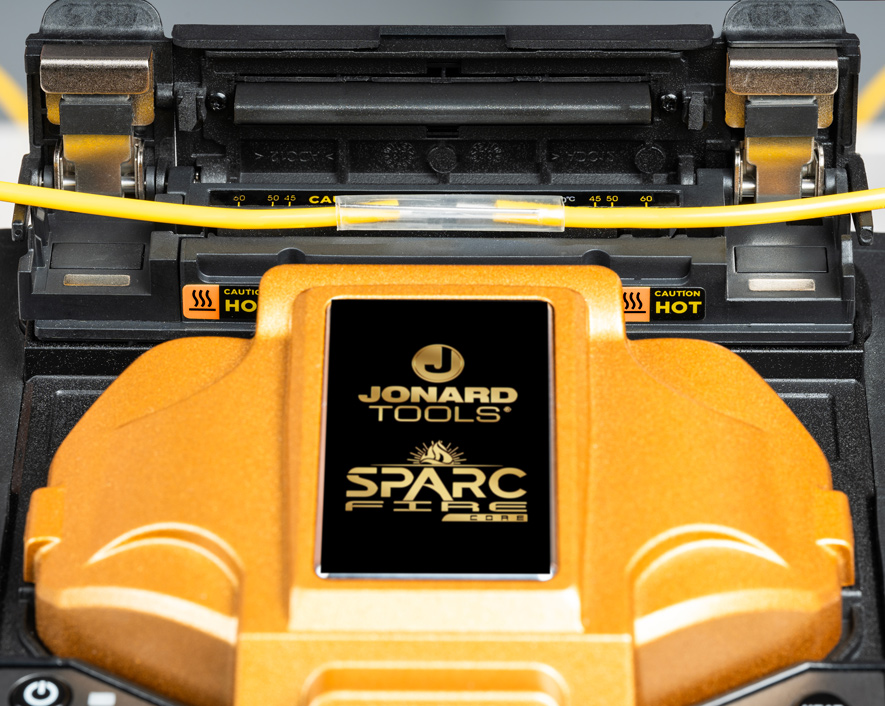
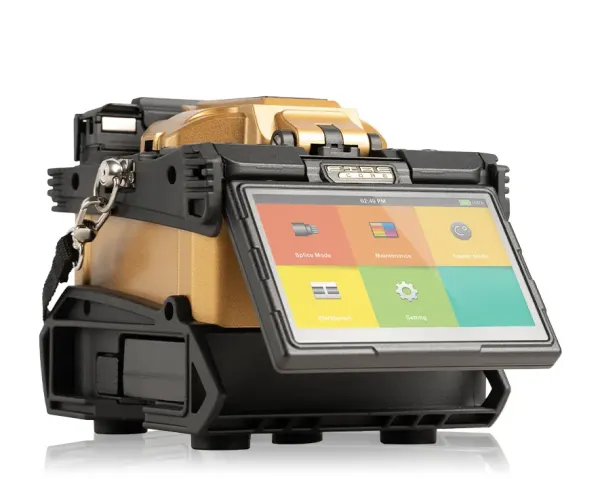
A core alignment fusion splicer is a state-of-the-art optical device used to create permanent, low-loss connections between two fiber optic cables by precisely aligning and fusing their optical cores. Unlike clad alignment splicers—which base alignment solely on the outer diameter of the fiber (the cladding)—core alignment splicers go further. They employ high-resolution cameras and advanced image processing algorithms to locate the actual core within each fiber and align them in all three dimensions: X (horizontal), Y (vertical), and Z (depth).
This 3D alignment process accounts for manufacturing inconsistencies such as core-cladding eccentricity, which can result in signal misalignment if not corrected. The outcome is an ultra-precise, high-strength splice with minimal optical loss, making core alignment the gold standard for demanding environments like telecom backbone networks, high-density data centers, long-haul fiber deployments, and mission-critical infrastructure.
Below is a step-by-step break down of how they work:
1. Preparation
Before fusion can occur, both fiber ends must be meticulously prepared:
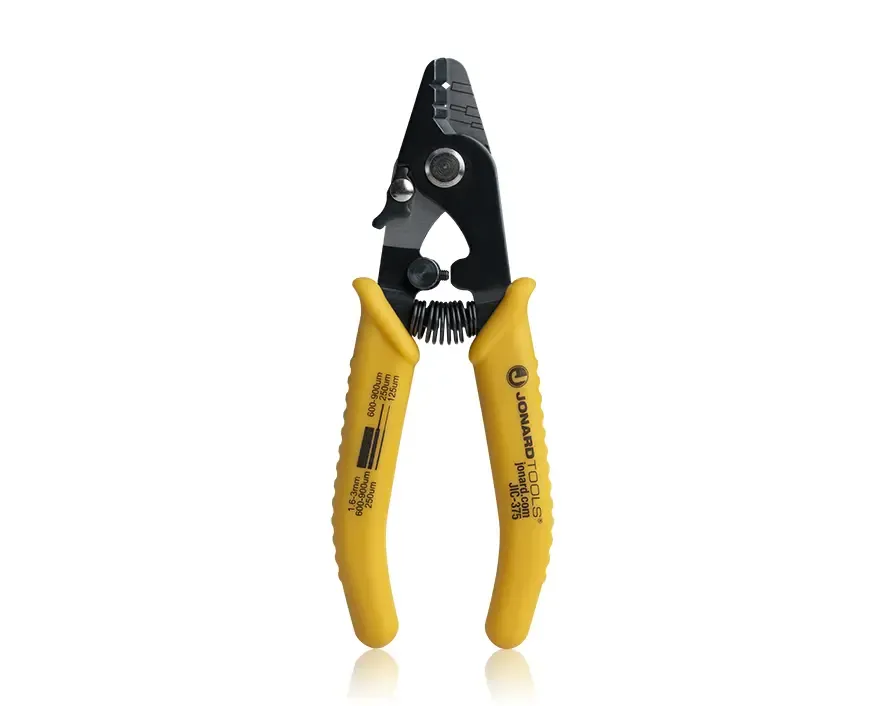
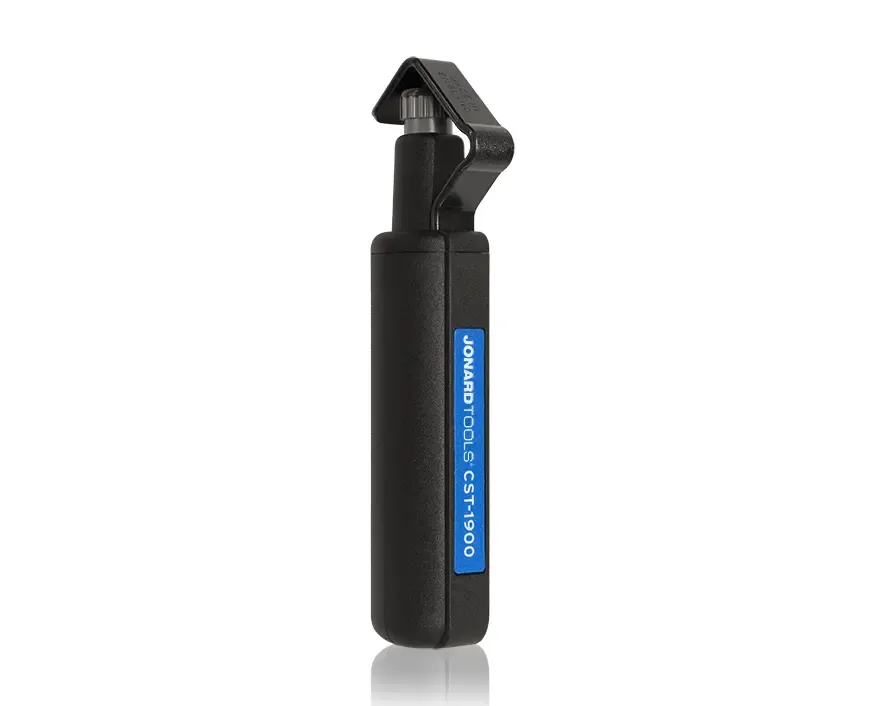
- Stripping: The protective polymer coating is removed to expose the bare glass fiber.
- Cleaning: The stripped fiber is wiped with isopropyl alcohol to eliminate dust, oil, or microscopic debris that could interfere with fusion.
- Cleaving: A high-precision cleaver is used to make a flat, perpendicular end face—typically within 0.5 degrees of vertical. Clean, consistent cleaves are critical for successful low-loss splicing.
Proper preparation is not just a formality, it directly impacts the quality of the fusion and the long-term reliability of the connection.
2. Fiber Loading
Once prepared, the two fiber ends are secured in the splicer’s V-groove fiber holders, which stabilize the fibers and ensure consistent positioning. The splicer then automatically moves the fiber tips into proximity—close enough to allow for imaging, but not yet in contact. This stage sets the foundation for accurate alignment.
3. Core Detection
The splicer’s dual high-magnification cameras take live images of both fiber ends. Using image recognition and light refraction analysis, the system identifies the exact location of each fiber’s core. This is particularly important when working with fibers that have manufacturing tolerances or slight off-center cores. The machine uses this data to determine how much adjustment is needed to achieve a perfect core-to-core match.
4. 3D Core Alignment
Motorized positioning systems, driven by micrometer-level precision actuators, move each fiber tip in the X, Y, and Z axes until the cores are aligned with near-perfect overlap. This alignment is done automatically, with real-time visual feedback shown on the splicer’s screen. At this stage, even submicron misalignments are corrected, ensuring optimal light transmission through the splice.
5. Fusion Arc
With alignment complete, the splicer initiates a controlled electric arc between tungsten electrodes. This arc gently melts the tips of the glass fibers. As they soften, the machine pushes the fiber ends together, fusing them into a single, continuous optical path. The splicing process is closely monitored and calibrated to prevent bubbles, back reflection, or weak joints.
6. Loss Estimation and Reinforcement
After fusion, the splicer evaluates the quality of the splice by analyzing the fused region with internal sensors and algorithms. It calculates an estimated splice loss, typically less than 0.05 dB, and displays this on the user interface. If the loss is above the acceptable threshold, the splice can be redone on the spot.
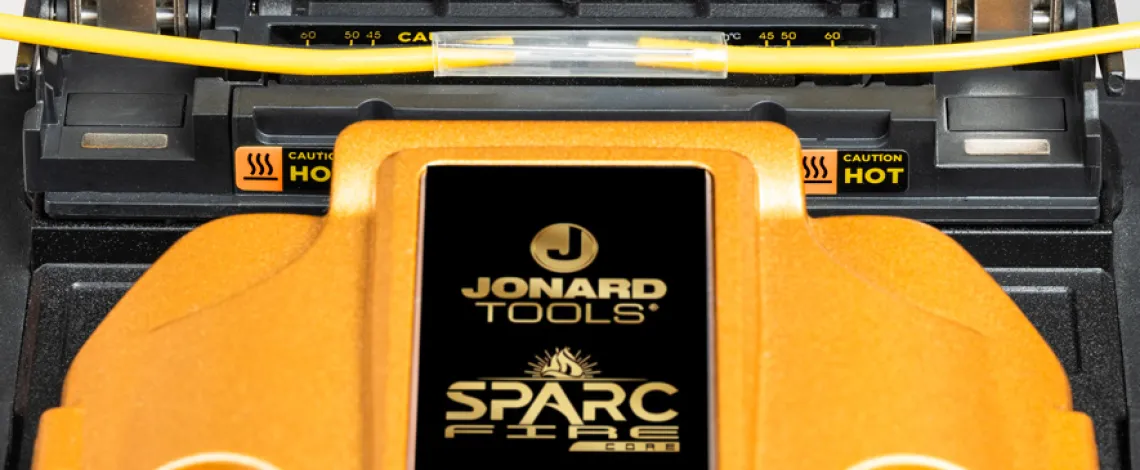
To finish, a heat-shrink splice sleeve is placed over the joint and thermally sealed using the built-in heater. This sleeve protects the splice from physical stress, bending, and environmental exposure, helping ensure longevity and reliability.
This entire process, though technologically complex, takes only a few minutes when using a modern core alignment fusion splicer. The result is a high-performance, nearly invisible connection that can support decades of high-speed optical transmission with minimal degradation.
Where Core Alignment Splicers Are Used
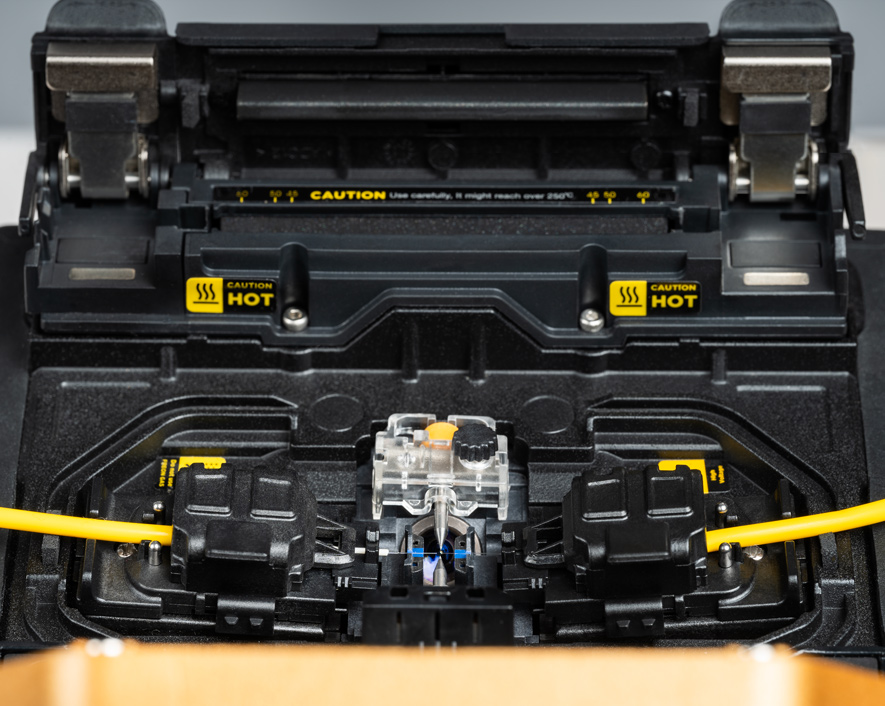
Core alignment fusion splicers are trusted tools in environments where precision, reliability, and performance are non-negotiable. Their ability to align the actual fiber cores—rather than relying on external cladding—makes them ideal for high-bandwidth, mission-critical, and low-loss applications. Below are some of the most common and important use cases for core alignment splicers:
Telecommunications and Internet Infrastructure
Core alignment splicers are the go-to choice for building and maintaining the backbone of global telecom networks. These are the long-haul and metro fiber routes that connect cities, countries, and continents. In such systems, even the smallest splice loss can compound over long distances, degrading signal quality and requiring costly amplification or regeneration. Core alignment ensures the lowest possible insertion loss, making it indispensable for telecom providers seeking to deliver consistent, high-speed internet and voice communication at scale.
Data Centers and Enterprise Networks
In data centers, where thousands of fiber connections exist in high-density environments, even a minor misalignment can cause significant bottlenecks. Core alignment splicers are critical here because they allow ultra-precise splicing that maintains the integrity of high-speed, low-latency communication between servers, routers, and switches. These splicers support structured cabling designs with tight tolerances and offer repeatability—ideal for enterprise IT teams and data center contractors who cannot afford downtime or signal loss. As cloud services and virtualization continue to grow, the demand for this level of accuracy is only increasing.
Fiber to the Home (FTTH)
In FTTH deployments, fiber optic lines are extended from local access nodes directly into residential or business premises. Core alignment fusion splicers play a critical role in distribution hubs, cabinets, and terminal points, where they ensure stable, low-loss splices in outdoor and confined spaces. As ISPs roll out gigabit and multi-gigabit fiber plans, the tolerance for signal degradation drops, making core alignment essential for meeting SLA (Service Level Agreement) standards. With millions of homes being wired for fiber worldwide, this application is one of the fastest-growing uses of fusion splicing technology.
Military and Aerospace
Military and aerospace systems demand extreme levels of durability, performance, and signal integrity, often in harsh or high-vibration environments. Core alignment splicers are relied upon to create rugged, low-loss fiber connections in aircraft, satellite systems, military vehicles, and secure communications networks. In these applications, a failed splice isn’t just inconvenient—it could compromise mission-critical operations. The precision of core alignment also ensures compatibility with specialty fibers used in defense-grade systems, which may have tighter tolerances or unique core geometries.
Restoration and Emergency Repairs
When fiber lines are damaged due to weather, accidents, or natural disasters, core alignment splicers are deployed in the field to quickly restore service with maximum integrity. Technicians use these portable, battery-powered units to re-establish critical links for 911 systems, internet access, hospitals, and utility infrastructure. Because core alignment splicers deliver low splice loss even under imperfect conditions, they help prevent additional issues once the temporary repair becomes permanent. Their rugged build and smart automation features make them a favorite tool for restoration crews who need fast, reliable results in unpredictable environments.
Why Core Alignment Splicers Are So Important
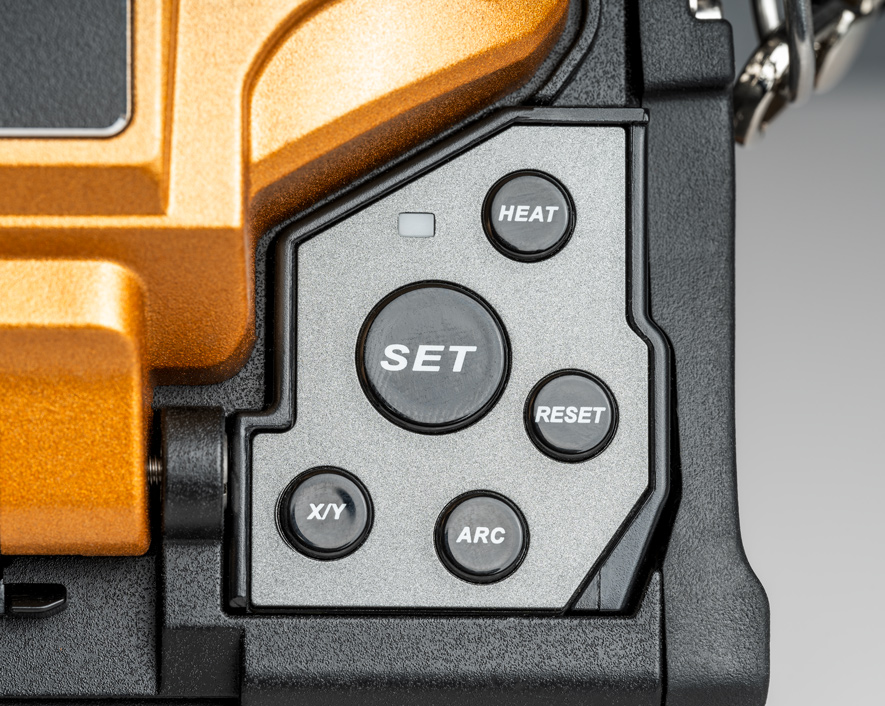
Superior Accuracy
Core alignment splicers locate the actual core of each fiber and align them precisely in three dimensions. This eliminates issues caused by off-center cores and ensures unmatched accuracy, regardless of fiber type or manufacturer.
Ultra-Low Splice Loss
Misaligned cores can cause signal attenuation, back reflection, and network instability. Core alignment minimizes these losses to industry-leading levels, often achieving <0.05 dB splice loss.
Versatility
These splicers handle a wide range of fiber types—including single-mode, multi-mode, and specialty fibers—making them suitable for telecom, energy, medical, and enterprise applications. They're ideal for technicians working across diverse projects and industries.
Automation-Ready
Many core alignment models integrate seamlessly with cloud systems, automated cleavers, and robotic cable handling. This makes them perfect for large-scale deployments where consistency and speed are critical.
A Smart Investment for Precision Fiber Work
Core alignment fusion splicers represent the pinnacle of precision in fiber optic technology. For network operators, contractors, and technicians who prioritize long-term performance and reliability, this tool isn’t just helpful—it’s indispensable. While they carry a higher upfront cost than their clad-alignment counterparts, the ROI is quickly justified through reduced rework, better signal integrity, and future-proof installations.
As networks expand and fiber reaches deeper into homes, businesses, and infrastructure, the demand for flawless splicing grows. Investing in a core alignment splicer is an investment in quality, speed, and network excellence.
Comments
Login or Register to post comments.