
The Top 3 Tools of 2025
The skilled trades industry continues to evolve rapidly, and 2025 brought us an exciting lineup of tools that empower professionals to work smarter, faster, and with greater precision. Whether you’re in fiber optics, telecommunications, electrical work, or general field service, having the right tools can be the difference between average results and outstanding work. In this blog, we’re highlighting the top three tools of the year that have stood out for their performance, innovation, and real-world impact. These are the tools that truly help professionals solve problems on the job, improve quality, reduce downtime, and deliver excellence for customers.
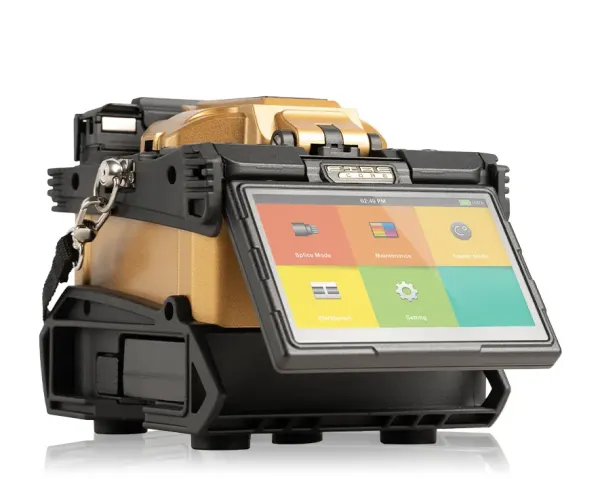
1. Clad Alignment Fusion Splicer
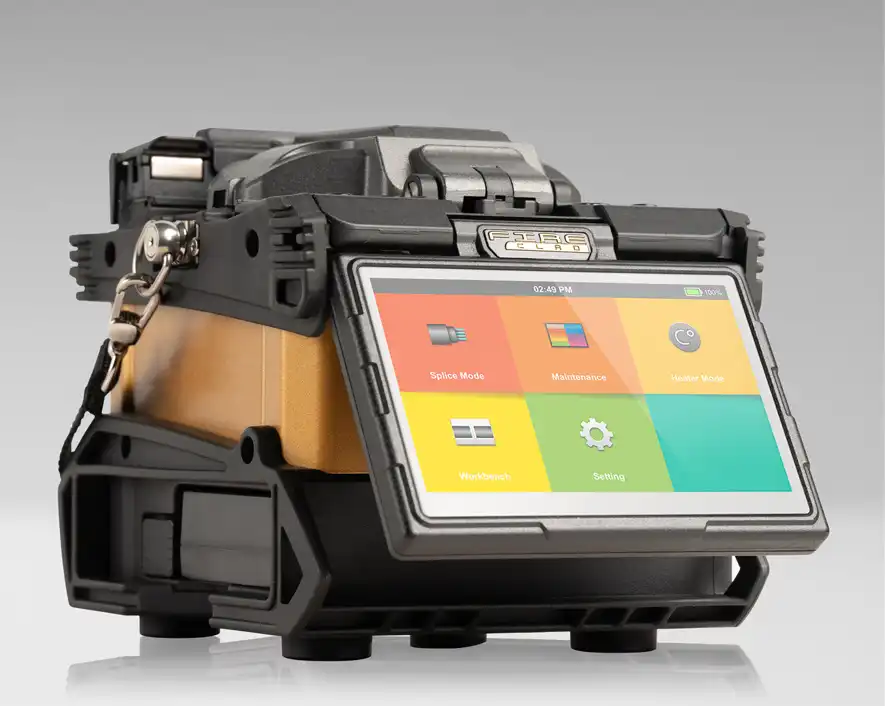
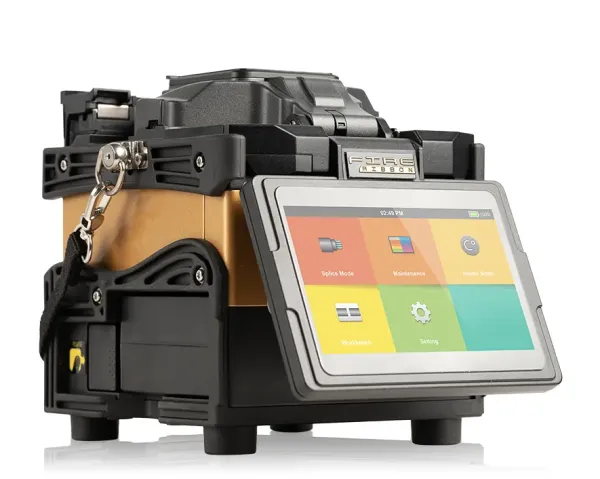
The CLAD Alignment Fusion Splicer is an advanced fiber optic splicing tool that’s engineered for precision and reliability. At its core, this splicer enables technicians to fuse optical fibers together with minimal loss and consistent results. It combines sophisticated alignment technology with a rugged design that stands up to field conditions, making it suitable for both indoor work environments and demanding outdoor job sites. The user interface is intuitive, streamlining setup and reducing the learning curve for new operators. As fiber networks continue expanding across industries like telecommunications, data centers, and broadband access, tools like the Fusion Splicer are essential for keeping projects on schedule and within specification.
This device is typically used by fiber optic technicians during installation and maintenance of fiber networks. Users prepare fiber ends, insert them into the splicer, and let the machine align and fuse the fibers with precision. Because it supports a wide range of fiber types and job requirements, it’s versatile enough for everything from long-haul backbone installs to FTTH (fiber to the home) connections. The ergonomic design helps reduce fatigue during repetitive splicing tasks, and the robust housing ensures it holds up in tough field conditions. Many crews also rely on it for emergency repairs, where downtime costs can be high and quality can’t be compromised.
The importance of the Fusion Splicer can’t be overstated. Fiber optics remain the backbone of modern communication and data infrastructure, meaning that efficient, precise splicing is more critical than ever. This tool reduces the risk of signal loss and network issues that can arise from poor splices, ultimately improving system performance and customer satisfaction. Additionally, its reliable operation helps teams meet tight deployment deadlines- a key advantage in competitive markets. For companies investing in future-proof networks, having a tool like this in the toolbox is a strategic asset.
2. Network Cable Tester and TDR

The Network Cable Tester and TDR is a time domain reflectometer built to help technicians pinpoint faults in cables with speed and accuracy. It sends a signal down a cable and interprets reflections to identify breaks, shorts, impedance mismatches, and other anomalies. The interface displays distance-to-fault information clearly, helping users know exactly where problems lie along a line. With its durable design and intuitive controls, it has become a go-to diagnostic tool for field techs in industries that rely on copper and coaxial cabling. Whether you’re troubleshooting an existing system or verifying a new installation, this TDR streamlines what could otherwise be a time-consuming task.
In practice, the TDR-100 is used on a variety of cable networks, including telecommunications lines, data cabling in buildings, and broadcast systems. A technician connects the TDR to the cable under test and initiates a scan; the device then visualizes reflections that help locate cable issues often hidden from plain view. Because many cable problems occur deep within long runs, being able to accurately locate faults saves significant time and effort. The TDR-100 often works alongside other testing tools, but its ability to quickly isolate problems makes it invaluable during maintenance and commissioning stages. The rugged housing and long battery life also make it ideal for trucks, rooftops, basements, and other challenging work environments.
Why the TDR-100 matters in 2025 is closely tied to how critical reliable cable infrastructure remains. Despite the growth of wireless technologies, wired cabling is still foundational for high-speed data and communications systems. When faults occur, rapid diagnosis and repair are essential to maintain uptime and service quality. The Network Cable Tester and TDR empowers technicians to do just that - improving first-time fix rates and minimizing costly callbacks. For service providers and contractors alike, this tool delivers a competitive advantage by boosting efficiency and client confidence.
3. Wireless Fiber Inspection Microscope
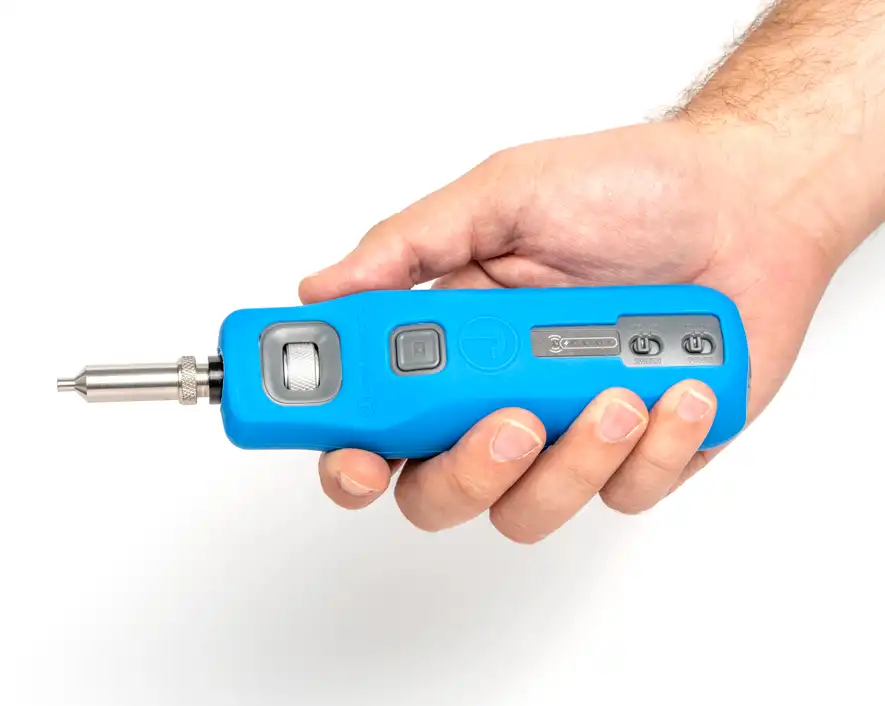
The Wireless Fiber Inspection Microscope is a precision inspection tool designed specifically for examining fiber optic connector end faces. It allows technicians to clearly view fiber cleanliness, scratches, cracks, and other defects that can negatively impact signal performance. By transmitting images wirelessly to a mobile device or display, it eliminates the need for bulky inspection equipment and cords. The microscope is engineered to meet industry inspection standards, helping ensure fibers are clean and compliant before connection or splicing. Its compact, durable design makes it ideal for both lab environments and rugged fieldwork.
In typical use, the wireless fiber microscope is deployed before and after splicing, patching, or connecting fiber optic cables. Technicians insert the probe into the connector or bulkhead adapter to inspect the fiber end face in real time. The live image allows users to quickly identify contamination, dust, or damage that could cause signal loss or network failure. Because it’s wireless, technicians can easily capture and share images for documentation, training, or customer verification. This tool is especially valuable during installations, maintenance, and troubleshooting where clean connections are critical.
The importance of a wireless fiber microscope in 2025 cannot be overstated as fiber networks continue to expand and performance demands increase. Even microscopic debris can lead to attenuation, reflection, or complete signal failure, making inspection a non-negotiable step in fiber work. This tool helps prevent costly rework, repeat site visits, and service outages by ensuring connections are right the first time. It also supports best practices and compliance with fiber inspection standards across the industry. For professionals who rely on fiber reliability, a wireless fiber microscope is not just helpful —it’s essential.
Conclusion
The Clad Alignment Fusion Splicer, Network Cable Tester and TDR, and Wireless Fiber Inspection Microscopes have emerged as standout tools for 2025 because they each solve real, high-impact challenges faced by skilled trades professionals. Whether your work centers on fiber optics, cable systems, or electrical diagnostics, these tools deliver precision, durability, and problem-solving power. Investing in quality tools like these doesn’t just make jobs easier - it elevates workmanship, improves field efficiency, and strengthens your reputation with customers. In an industry where performance matters, the right tools truly make all the difference.
Comments
Login or Register to post comments.